Source Graphite Insulation Felt for Furnaces, Electrodes, and Kilns
Find 30 graphite insulation felt options from verified suppliers. Compare specifications including density, thickness, and temperature resistance to select the right material for industrial heating applications.
Key considerations
Products List




Comprehensive Sourcing Guide
Strategic Sourcing Guide for Graphite Insulation Felt
Understanding Product Variants and Technical Specifications
The procurement of graphite insulation felt requires a nuanced understanding of the diverse product variants available in the global market. Based on observed industry data, the core material composition is consistently identified as carbon fiber or high-purity carbon, often exceeding 99% carbon content. Buyers must distinguish between different forming methods, as the manufacturing process significantly dictates the final physical properties. The supply chain currently features products formed via needle-punching techniques, which produce a compact crystalline graphite structure, alongside extruded graphite variants that may exhibit a flake graphite morphology. These structural differences are not merely semantic; they influence the material's density, tensile strength, and thermal conductivity.
Technical specifications vary widely across listings, necessitating a rigorous verification process before selection. Observed product models include specific identifiers such as 64365-11-4, FW100, and DC-1.85, each associated with distinct performance profiles. For instance, some variants are characterized by a volume density ranging from 0.18 to 0.30 g/cm³, while others present a bulk density of 1.4 g or 0.14 g. This variance indicates that "graphite felt" is not a monolithic category but a spectrum of materials tailored for specific thermal and mechanical loads. Thermal performance is a critical differentiator, with products boasting refractoriness temperatures exceeding 2000°C and high-temperature resistance capabilities. Electrical properties are equally vital, with specific resistance values observed between 0.17 and 0.22 ohm.cm and thermal conductivity ranging from 0.15 to 0.25.
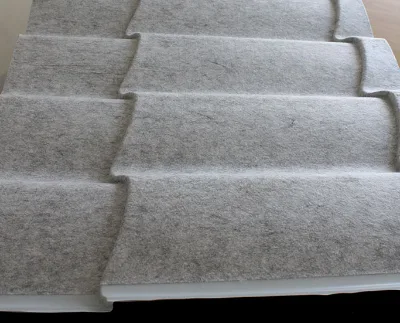
The physical dimensions of the felt are another primary consideration. Width specifications are commonly observed at 1.2 meters and 1.4 meters, though custom widths are available upon request. Thickness standards vary from 3 mm up to 12.5 mm, with specific commercial offerings often limited to 5 mm, 8 mm, 10 mm, or 12 mm increments. Buyers must align these dimensions with their equipment constraints, as the standard thickness ranges may not cover every niche application. Furthermore, the classification of the product as either rigid or soft carbon graphite felt impacts its handling and installation requirements. Soft variants, often described as insulation materials, offer flexibility, whereas rigid forms provide structural integrity in high-stress environments.
Compliance, Certification, and Quality Verification
When sourcing industrial-grade graphite felt, verifying compliance with industry standards and material purity is paramount. The supply data indicates a focus on high-purity scales, with ash content observed at less than 0.05% for certain premium grades. This low ash content is a critical indicator of material purity, ensuring minimal contamination during high-temperature processes. However, specific certification status for individual suppliers cannot be assumed without direct verification. Buyers should explicitly request documentation confirming that the material meets the required industrial grade specifications, particularly regarding the 99.9% carbon composition found in specific model listings.
Quality verification extends beyond simple material composition to include mechanical integrity. Tensile strength is a key metric, with observed values ranging from 0.15 MPa to 2.6 MPa depending on the specific product model and forming method. A discrepancy in these values can signal differences in manufacturing quality or intended application severity. For applications requiring structural support under thermal stress, the higher tensile strength variants are essential. Conversely, for pure insulation purposes, lower density and strength may be acceptable. Buyers must ensure that the supplier provides test results or certificates of analysis that validate these mechanical properties for the specific batch being ordered.
Standardization is another area requiring careful attention. While some products adhere to specific thickness standards like 5 mm, 8 mm, or 10 mm, others offer fully customized standards. The presence of "customized" as a standard specification suggests a high degree of flexibility in the manufacturing process, but it also places the burden of specification accuracy on the buyer. It is imperative to define the exact tolerance levels for thickness, width, and density in the purchase order. Additionally, the origin of the product, frequently noted as China or specifically Beijing, should be verified against any trade compliance requirements or geopolitical restrictions that may apply to the buyer's region.
Cost Drivers and Pricing Dynamics
The pricing structure for graphite insulation felt is influenced by a complex interplay of material purity, manufacturing complexity, and order volume. The observed price range in the market spans from $0.79 to $2,000 USD, a vast disparity that reflects the heterogeneity of the product offerings. This range suggests that entry-level, generic felt products are available at the lower end, while high-performance, custom-engineered solutions command premium prices. The minimum order quantity (MOQ) also plays a significant role in unit economics, with observed ranges spanning from 1 unit to 1,000 units. Smaller orders may incur higher per-unit costs due to setup and handling fees, whereas bulk purchases often benefit from economies of scale.
Material composition is a primary cost driver. Products with 99.99% carbon content or those utilizing specialized carbon fiber compositions generally cost more than standard industrial grades. The forming method also impacts cost; needle-punched felt with compact crystalline structures may involve different processing costs compared to extruded graphite with flake morphologies. Furthermore, the level of purification required, such as achieving a high-purity scale with minimal ash content, adds to the manufacturing expense. Buyers should be aware that the "High-Carbon" designation and specific refractoriness ratings above 2000°C are not merely marketing terms but indicators of the energy-intensive processing required to achieve these properties.
Packaging and logistics represent secondary but significant cost factors. The supply data indicates various packaging methods, including wooden cases, cartons, and custom packaging as per customer demands. Wooden cases and boxes are typically more expensive than standard cartons but offer superior protection for high-value, fragile insulation materials. The origin location, such as Beijing, China, influences shipping costs and lead times. Buyers must factor in the total landed cost, which includes the base price, packaging, freight, and any applicable tariffs. Understanding these drivers allows for more accurate budgeting and negotiation strategies, ensuring that the selected product meets both technical and financial constraints.
Typical Applications and Performance Requirements
Graphite insulation felt is predominantly utilized in high-temperature industrial environments where thermal stability and electrical resistance are critical. The observed property of refractoriness exceeding 2000°C makes these materials ideal for applications involving extreme heat, such as in metallurgical furnaces, semiconductor manufacturing, and aerospace testing. The high-temperature resistance and long life service attributes suggest that these products are designed for durability in harsh operating conditions, reducing the frequency of replacement and maintenance downtime.
In the context of thermal management, the specific thermal conductivity range of 0.15 to 0.25 indicates that these felts serve as effective thermal barriers. They are often employed in insulation systems where heat retention or heat exclusion is necessary. The electrical properties, with specific resistance values between 0.17 and 0.22 ohm.cm, make them suitable for applications requiring electrical insulation in high-temperature settings, such as in electrolytic cells or battery systems. The distinction between rigid and soft forms allows for versatile application; soft felt can be wrapped around complex geometries, while rigid forms can be used as structural insulation panels.
The specific product models observed, such as the Thermal Insulation Rigid/Soft Carbon Graphite Felt, highlight the dual nature of the product line. This versatility allows for a single supplier to provide solutions for diverse needs, from flexible wrapping in chemical reactors to rigid insulation in high-vacuum chambers. The long life service claim underscores the material's resistance to thermal degradation, which is essential for maintaining process efficiency over extended periods. Buyers should evaluate their specific thermal and mechanical load requirements to select the appropriate density and strength variant, ensuring optimal performance without over-specifying and incurring unnecessary costs.
Supplier Evaluation and Procurement Strategy
Selecting the right supplier for graphite insulation felt requires a comprehensive evaluation of their capabilities, consistency, and service offerings. The availability of customization is a key indicator of a supplier's flexibility, allowing them to tailor products to specific buyer demands. Buyers should prioritize suppliers who demonstrate a clear understanding of the technical nuances, such as the difference between needle-punched and extruded forming methods. The presence of specific product models and detailed specifications in their catalog suggests a level of technical sophistication that is essential for complex procurement needs.
Logistics and packaging capabilities are also critical factors in supplier evaluation. The observation of various packaging options, from wooden cases to cartons, indicates that suppliers have the infrastructure to handle different shipping requirements. However, buyers must verify that the chosen packaging method aligns with the fragility of the product and the conditions of the transport route. Origin verification is equally important; while many products originate from China, with specific mentions of Beijing, buyers should confirm the exact manufacturing location to ensure compliance with trade regulations and to assess the reliability of the supply chain.
A robust procurement strategy involves establishing clear communication channels regarding technical specifications and quality expectations. Given the wide range of observed densities and strengths, buyers should provide detailed requirements in their requests for quotation (RFQ) to avoid receiving mismatched products. The ability of the supplier to meet the specific thickness standards, such as 3-12.5 mm or custom dimensions, should be confirmed prior to order placement. Additionally, buyers should inquire about the supplier's quality control processes, particularly regarding the verification of carbon content, ash levels, and tensile strength, to ensure that the delivered goods match the advertised specifications.
Long-Term Procurement and Quality Assurance
Sourcing graphite insulation felt is not a one-time transaction but a long-term partnership that requires ongoing quality assurance and performance monitoring. The "Long Life Service" attribute observed in the product data suggests that these materials are designed for extended operational lifecycles. However, achieving this longevity depends on proper installation and adherence to the manufacturer's guidelines. Buyers should establish a protocol for regular inspection of the installed felt to detect any signs of thermal degradation, mechanical wear, or contamination.
Quality assurance should extend to the verification of batch-to-batch consistency. Variations in volume density, tensile strength, or ash content between different production runs can affect the performance of the insulation system. Buyers should request batch-specific test reports for every shipment to ensure that the material properties remain within the specified ranges. The ability of the supplier to provide consistent quality over time is a critical factor in maintaining operational efficiency and minimizing downtime.
Furthermore, the procurement strategy should include a contingency plan for supply chain disruptions. Given the specialized nature of graphite felt and the potential for limited supplier bases, buyers should consider diversifying their supplier base or maintaining a safety stock of critical components. The customization options available in the market provide an opportunity to work closely with suppliers to develop proprietary solutions that may offer a competitive advantage. By fostering a collaborative relationship with suppliers, buyers can ensure a steady supply of high-quality graphite insulation felt that meets their evolving technical and operational needs.
FAQs
What is the carbon content of high-purity graphite felt?
High-purity graphite felt typically contains 99.9% to 99.99% carbon. Some industrial grade variants feature a composition of pure carbon fiber, ensuring minimal ash content below 0.05% for critical applications.
How thick is the standard graphite insulation felt available?
Standard thickness ranges from 3 mm to 12.5 mm, with common commercial options including 5 mm, 8 mm, 10 mm, and 12 mm. Custom thicknesses are also available to meet specific equipment constraints.
Can graphite felt withstand temperatures above 2000 degrees Celsius?
Yes, the material offers refractoriness exceeding 2000°C, making it suitable for extreme heat environments. This high-temperature resistance ensures long life service in metallurgical furnaces and aerospace testing applications.
Which forming method produces compact crystalline graphite structure?
Needle-punching is the forming method that produces a compact crystalline graphite structure. In contrast, extruded graphite variants may exhibit a flake graphite morphology, affecting density and tensile strength properties.
What is the typical volume density range for this insulation material?
The volume density typically ranges from 0.18 to 0.30 g/cm³ for standard soft variants. Some specific models may present a bulk density of 0.14 g or up to 1.4 g depending on the grade.
How is the graphite felt usually packaged for shipment?
Packaging options include wooden cases, wooden boxes, or cartons wrapped for protection. Custom packaging is available to meet specific customer demands, ensuring the fragile insulation material arrives safely.
What is the tensile strength of the industrial grade felt?
Tensile strength varies by model, with observed values ranging from 0.15 MPa to 2.6 MPa. Higher strength variants are essential for applications requiring structural support under thermal stress conditions.